Source Remanufactured Transmission Control Solenoids for Construction, Industrial, and Automotive Applications
Explore 30 listings for remanufactured transmission control solenoids suitable for construction machinery, industrial flow control, and automotive systems. Buyers can compare specifications, prices, and warranty terms to find suitable parts for various operational needs.
Key considerations
Products List


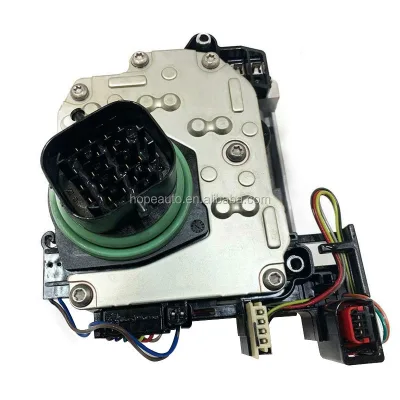


Comprehensive Sourcing Guide
Strategic Sourcing Guide for Remanufactured Transmission Control Solenoids
Understanding the Technical Landscape of Solenoid Valves
When sourcing remanufactured transmission control solenoids, buyers must first navigate a complex technical landscape where "remanufactured" often coexists with "new" inventory in the same catalog. The supplied product data reveals a diverse array of specifications that define the functional scope of these components. A critical observation from the available market data is the variation in actuator types, with electric actuators being a prominent feature in the current inventory. This distinction is vital because electric solenoids operate differently from pneumatic or hydraulic counterparts, often requiring specific voltage inputs and control logic that must match the vehicle's or machinery's electronic architecture.
The media compatibility is another primary technical differentiator. The observed listings indicate that these components are engineered to handle both oil and water as the working fluid. This duality suggests that the solenoids are versatile enough for various hydraulic systems, including those found in construction machinery where oil is the standard, as well as potentially in cooling or water management systems. However, the temperature ratings present a significant variance. While some entries specify "Ordinary Temperature," others explicitly list "High Temperature" capabilities. A procurement strategy must account for this discrepancy; a solenoid rated for ordinary temperatures may fail prematurely if deployed in a high-heat environment typical of heavy-duty transmission systems.
Pressure ratings further complicate the selection process. The data shows a specific instance of a 1.0MPa rating, yet other entries simply denote "Ordinary Pressure." In the context of transmission control, pressure spikes are common, and relying on a generic "ordinary" rating without verifying the specific peak pressure requirements of the application can lead to catastrophic failure. The port sizes observed range from small specifications like "01" to larger dimensions such as "25mm," indicating that the physical interface must be meticulously matched to the existing hydraulic lines. Furthermore, the connection type is predominantly thread-based, which requires buyers to verify thread standards (e.g., NPT, BSP, or metric) to ensure a leak-free seal upon installation.
Compliance and Certification Verification Protocols
In the realm of industrial components, certification serves as a proxy for quality assurance, yet the data presents a nuanced picture of compliance standards. The most frequently cited certification in the observed listings is ISO9001, with specific references to both the 2000 and general ISO9001 standards. While the presence of an ISO9001:2000 certification indicates a baseline adherence to quality management systems, buyers should be aware that this standard is older than the current ISO9001:2015 version. Relying solely on the 2000 version may imply that the supplier's quality processes have not been updated to reflect the latest industry best practices.
The data also lists specific product standards, such as "31939-AA191" and "101010," which appear to be internal or application-specific identifiers rather than universal industry standards. This highlights a critical risk: the absence of universally recognized safety or performance standards like CE in the explicit high-confidence facts, despite its mention in the low-confidence background. Buyers must not assume that a product is CE-compliant simply because it is listed in a general database; instead, they must request explicit documentation confirming compliance with relevant regional safety directives.
Furthermore, the "Marketing Type" is listed as "Ordinary Product" for some items, which suggests these are standard off-the-shelf components rather than specialized, high-performance engineering solutions. This classification does not inherently diminish quality but requires the buyer to perform more rigorous due diligence. The "Video Outgoing-Inspection" attribute is marked as "Not Available" for the observed items, meaning that remote visual verification of the manufacturing or remanufacturing process is not a standard offering. Consequently, buyers cannot rely on video evidence to validate the condition of the solenoids and must instead depend on physical inspection protocols or third-party testing reports upon delivery.
Cost Drivers and Economic Factors in Procurement
The economic landscape for sourcing these components is defined by a wide range of variables that influence the final unit price. The observed price range spans from $0.50 to $180.00 USD, a disparity that reflects differences in model complexity, material composition, and brand positioning. The lower end of this spectrum likely corresponds to simpler solenoid valves with basic specifications, while the upper end may include complex units with advanced features or those designed for specific high-end applications.
Material composition is a primary driver of cost. The listings indicate the use of Carbon Steel, Steel, and Hard Alloy for seals. Carbon steel and steel are standard materials that offer a balance of strength and cost-effectiveness, whereas hard alloy seals suggest a higher durability requirement, likely justifying a higher price point. The "High Quality" attribute is frequently mentioned, but without a standardized definition, this claim can be subjective. Buyers should correlate this claim with the material specifications; a solenoid described as "High Quality" but made from standard steel without hard alloy seals may not offer the longevity expected of a premium component.
Minimum Order Quantity (MOQ) is another significant economic factor. The observed MOQ ranges from 1 to 1000 units. This flexibility allows small buyers to procure single units for testing or repair, while larger buyers can leverage bulk purchasing power. However, the high end of the MOQ range suggests that some suppliers may require substantial volume commitments to unlock the lower price points within the $0.50-$180 range. Buyers must calculate the total cost of ownership, including storage and capital tie-up, when considering large MOQs. Additionally, the "Customization" attribute is marked as "Available," which introduces variable costs. Customization, such as logo placement or specific packaging, typically incurs a premium and may increase the lead time, factors that must be weighed against the cost savings of standard inventory.
Typical Applications and Operational Environments
The versatility of the observed solenoids is evident in their listed applications. The primary use case identified is for "Construction Machinery Parts," indicating that these components are robust enough to withstand the demanding conditions of heavy equipment. In this context, the solenoids are often used for flow control, reversing, pressure regulation, and balancing functions. These functions are critical for the operation of hydraulic systems in excavators, loaders, and other heavy machinery, where precise control of fluid dynamics is necessary for safety and efficiency.
The "5/2" valve type mentioned in the data refers to a specific configuration with five ports and two positions, commonly used in pneumatic and hydraulic systems to control the direction of actuator movement. This specific configuration is highly relevant for transmission control systems where directional changes are frequent. The "8-link pneumatic remote control" model further suggests applications in complex control networks where multiple actuators must be coordinated.
The media handling capabilities extend beyond just oil. The presence of "Water" as a listed media indicates that these solenoids can be adapted for cooling systems or water-based hydraulic applications, broadening their utility across different industries. However, the "High Temperature" rating for some models suggests they are specifically engineered for environments where thermal stress is a concern, such as near engines or in high-load transmission scenarios. Buyers must match the specific application's thermal and pressure profile with the solenoid's rated capabilities to ensure operational reliability.
Supplier Evaluation and Quality Assurance Strategies
Evaluating suppliers for remanufactured transmission control solenoids requires a multi-faceted approach that goes beyond simple price comparison. The "After-Sales Service" attribute is listed as "Online After-Sales," which provides a baseline level of support but may be insufficient for critical industrial applications requiring immediate on-site assistance. Buyers should verify the depth of this support, including the availability of technical documentation, troubleshooting guides, and the responsiveness of the support team.
Warranty terms vary significantly across the observed listings, ranging from 3 months to 1 year. A 1-year warranty, as seen in some entries, offers greater protection and indicates the supplier's confidence in the product's durability. In contrast, a 3-month warranty may suggest a higher risk of early failure or a more conservative approach to liability. The "Guarantee" attribute also appears with a 12-month term, reinforcing the importance of securing a robust warranty agreement before finalizing a purchase.
Quality control is paramount, especially for remanufactured goods. The "Condition" is listed as "New" for some items, which may imply that the "remanufactured" keyword in the search context covers both brand-new OEM parts and remanufactured equivalents. Buyers must clarify the exact condition of the product. If the item is truly remanufactured, the supplier should provide detailed information on the refurbishment process, including the testing procedures used to verify performance. The absence of "Video Outgoing-Inspection" means that buyers cannot visually verify the condition remotely, making it essential to establish clear acceptance criteria and return policies in the procurement contract.
Long-Term Procurement and Supply Chain Considerations
Sourcing transmission control solenoids is not merely a transactional activity but a strategic decision that impacts long-term operational continuity. The "Standard Packaging" and "Carton" or "Wooden Box" options observed in the data highlight the importance of proper logistics. Wooden boxes are generally preferred for heavy machinery parts to prevent damage during transit, while cartons may suffice for smaller, lighter components. Buyers should ensure that the packaging is adequate to protect the solenoids from moisture, dust, and physical impact, especially given the "High Temperature" and "High Pressure" operating environments they are designed for.
Lead times and production capacity are critical factors that are not explicitly detailed in the provided data but are implied by the "Customization" and "MOQ" ranges. Suppliers offering customization may have longer lead times due to the need for tooling or specific manufacturing setups. Buyers should plan their inventory levels accordingly to avoid production stoppages. The "OE No." and "Reference No." listings, such as "AA-Vu8 8-Link" and "C60148 Europa," indicate that these parts are often replacements for original equipment. Ensuring compatibility with existing systems is crucial, and buyers should maintain a database of these reference numbers to streamline future procurement.
Finally, the "Location" of the suppliers, primarily identified as "Zhejiang, China" and "China," suggests a concentration of manufacturing in this region. While this can offer competitive pricing, buyers should be aware of potential supply chain disruptions, such as geopolitical tensions or logistical delays. Diversifying the supplier base and maintaining a buffer stock of critical solenoids can mitigate these risks. The "High Quality" and "ISO9001" certifications provide a foundation for trust, but continuous monitoring of supplier performance and regular quality audits are necessary to maintain the integrity of the supply chain over the long term.
| Feature | Observation from Data | Procurement Implication |
|---|---|---|
| Actuator Type | Electric | Verify voltage and control logic compatibility. |
| Media | Oil, Water | Ensure material compatibility with the specific fluid used. |
| Temperature | Ordinary, High | Match the solenoid rating to the system's thermal profile. |
| Pressure | Ordinary, 1.0MPa | Confirm peak pressure requirements to prevent failure. |
| Warranty | 3 Months to 1 Year | Prioritize suppliers offering longer warranty terms. |
| Packaging | Carton, Wooden Box | Select packaging based on part size and transit risks. |
| Certification | ISO9001 (2000/General) | Verify if the standard is current or request updated proof. |
| Customization | Available | Factor in potential cost and lead time increases. |
In conclusion, sourcing remanufactured transmission control solenoids requires a meticulous approach that balances technical specifications, compliance verification, and economic factors. By carefully analyzing the available data and adhering to rigorous quality control protocols, buyers can secure reliable components that meet the demanding needs of modern industrial applications.
FAQs
What certifications do remanufactured transmission control solenoids have?
Most listings show ISO9001 certification, including the 2000 version. Buyers should verify if the supplier has updated to the 2015 standard, as the older version may not reflect current quality management best practices.
Which materials are used for these solenoid valves?
The products are primarily made from carbon steel and steel, with hard alloy seals. These materials provide durability for construction machinery parts, though the specific alloy composition varies by model.
Can these solenoids handle high temperature media?
Some models are rated for high temperature media, while others are designed for ordinary temperature conditions. Buyers must match the specific thermal rating to their application to prevent premature failure in heavy machinery.
What is the typical warranty period for these parts?
Warranty terms vary significantly, ranging from three months to one year. A longer warranty often indicates greater supplier confidence in the product's durability and quality assurance processes.
How does the minimum order quantity affect pricing?
The observed MOQ ranges from one to one thousand units, influencing the final unit cost. Higher volume orders often unlock lower price points within the $0.50 to $180 range.
Which valve types are available for transmission control?
The inventory includes 5/2 valve types and pneumatic remote control models. These configurations are suitable for flow control, reversing, and pressure regulation in hydraulic systems.